Yes, furniture pads are worth using for almost any move. A pad stops scratches, dents and scuffs on the furniture, the walls and the floor, and it costs far less than refinishing a damaged tabletop. They are not essential for every item, since boxes, plastic bins and soft furnishings often travel fine without one.
Furniture rubs against other furniture, door frames and the truck wall the whole way from one house to the next. A pad is a thick layer of padding that takes that rubbing instead of your dresser. The standard moving blanket measures about 72 x 80 inches, which is big enough to wrap most single pieces.
How many furniture pads do you need?
There is no exact number, because it depends on the size and finish of each piece. As a rule of thumb, count your large items first and plan on a few pads for each.
| Item | Pads to plan on | Tip |
|---|---|---|
| Sofa or sectional | 2 to 3 | Wrap the arms and legs, then secure the pad with stretch wrap around the outside. |
| Dining table | 1 to 2 | Unscrew the legs if you can and wrap the top flat. |
| Dresser or wardrobe | 1 to 2 | Remove drawers or tape them shut over the pad, never straight onto the finish. |
| Bed frame and headboard | 1 to 2 | Bag the bolts and tape the bag to the frame. |
| Chairs and stools | 1 pad per 2 to 4 chairs | Pad finished wood and upholstery, skip plain plastic. |
| TV or glass top | Use the original box if you have it | Add a pad over the box for extra cushion. |
If you are unsure, buy or borrow a few more than you think you need. Running short on moving day is the usual problem.
What can you use instead of furniture pads?
If you do not want to buy pads, these work for many pieces:
- Blankets, comforters and towels: the closest substitute for a moving pad and free if you own them.
- Foam sheets or cardboard corners: good for table edges and picture frames.
- Bubble wrap: useful on legs and hardware. Put a blanket under it on polished finishes so it does not leave a pattern.
- Pillows and cushions: fill gaps in the truck so pieces do not shift.
- Stretch wrap: holds blankets in place. Keep it off bare wood and leather, because it can trap moisture and mark the surface if left on for days.
Protect floors and edges at both ends of the move
Pads protect the furniture. The floors and corners need their own protection. Lifting a heavy piece is far better than dragging it, so a few small tools pay for themselves:
- Casters, Glides and Movers: moving straps, a furniture dolly with 4 PU wheels or a furniture lifter set with roller pads take the strain off your back and off the floor.
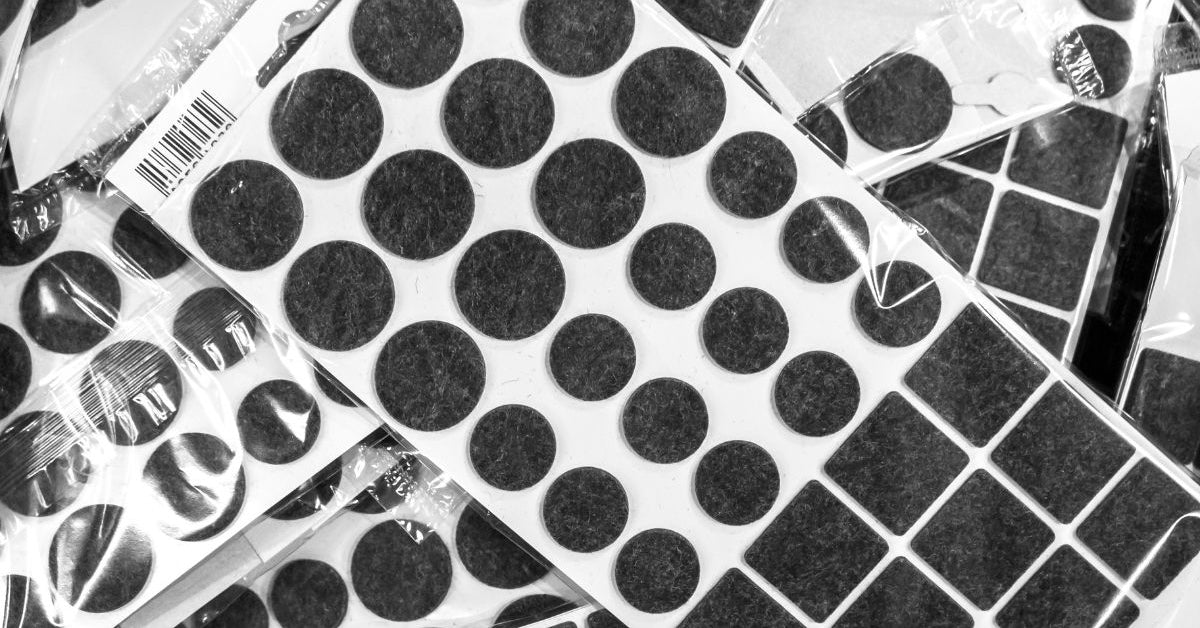
- Furniture Care and Protection: silicone leg caps protect hard floors in the new place, and a foam U shaped edge protector cushions sharp corners and door edges.
A simple padding routine
- Clear the path first and measure tight spots such as doorways and stairs.
- Take off anything that comes off: legs, shelves, cushions, drawers, glass.
- Wrap each piece in a pad, with the thickest padding on corners and edges.
- Secure the pad with stretch wrap or tape on the pad itself.
- Load heavy pieces first and pack soft items into the gaps.
- Unwrap at the new place, add leg caps or glides, and set the furniture down without dragging.
Frequently asked questions
How many moving blankets do I need?
It depends on how much furniture you have. Count your large pieces, plan on two or three pads for each sofa and one or two for tables, dressers and bed frames, then add a few spares for small items.
Can I use blankets and towels instead of moving pads?
Yes. Thick blankets, comforters and towels work well for a short move. Moving pads are denser and easier to strap down, which helps on longer trips.
Do I need pads for a short local move?
Yes. Most damage comes from loading, unloading and sliding against walls, not from distance, so a short move still scratches unprotected furniture.
Should I wrap furniture in plastic?
Plastic wrap is fine over a pad to hold it in place. Avoid wrapping it directly around wood or leather for several days, since it can trap moisture and mark the finish.
The short version
Furniture pads are one of the cheapest ways to avoid scratches and dents during a move. Use pads or thick blankets on finished and upholstered pieces, protect floors with glides and leg caps, and lift with straps or a dolly instead of dragging. Browse the Furniture Care and Protection and Casters, Glides and Movers collections for the extras.


